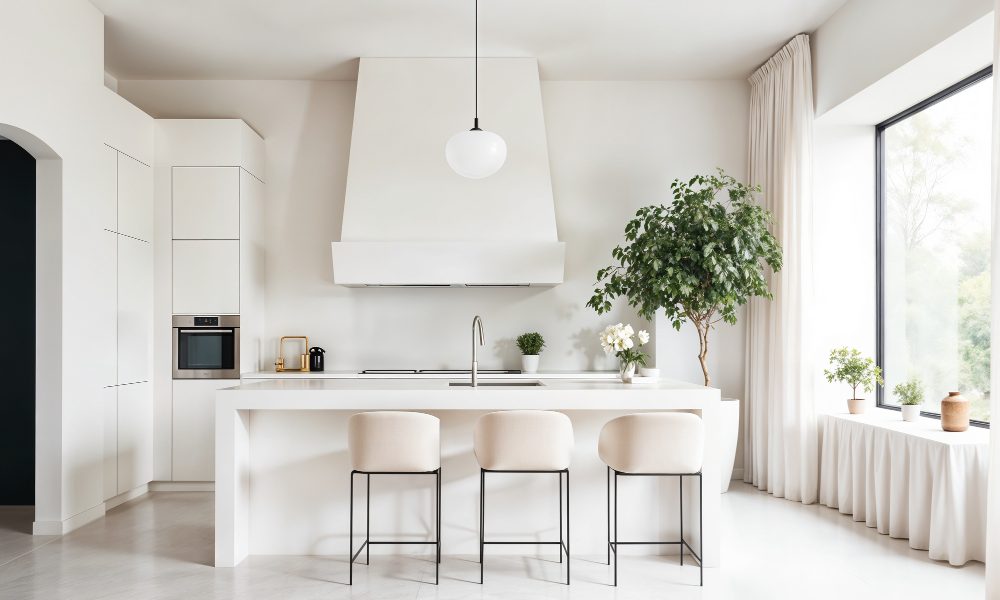
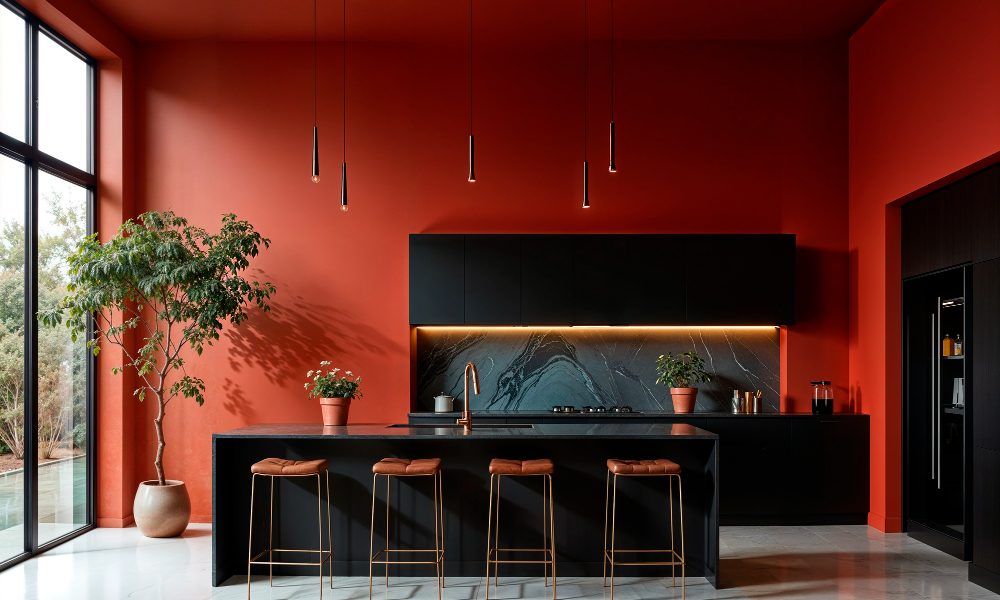
Understanding the Differences Between Gas and Electric Hobs
Choosing a new hob for your kitchen might seem straightforward, but there’s more to it than just picking a style. The main decision is usually gas or electric. Both have their advantages and quirks, and knowing the differences can save you time, money, and frustration later on.
Gas hobs use a flame for cooking, giving instant heat and control. Electric hobs, on the other hand, heat up using electricity, with options ranging from traditional coil burners to smooth, modern induction surfaces. Each type affects cooking style, energy use, and even the overall look of your kitchen.
Considering factors like energy bills, safety, cooking preferences, and installation requirements will help you make the right choice. Many homeowners underestimate how much these factors affect daily use, so it’s worth planning carefully before committing.
Pros and Cons of Gas Hobs
Gas hobs are loved by many chefs and home cooks because of the immediate control they offer. Turning the flame up or down changes the temperature instantly, making precise cooking easier. This is especially handy for techniques like simmering sauces or searing meat.
Other benefits include compatibility with all types of cookware and often lower running costs in the UK if your home already has a gas supply. Many people also enjoy the tactile feel of cooking on a flame – it’s satisfying in a way that electric can’t quite replicate.
But gas hobs aren’t perfect. They require a gas connection, which may involve extra installation costs. Cleaning can also be trickier due to grates and burners, and there’s the ever-present safety concern of an open flame. Proper ventilation is a must to avoid lingering smells or condensation.
Pros and Cons of Electric Hobs
Electric hobs, especially modern induction types, are sleek, easy to clean, and often safer than gas. Induction hobs heat the pan directly while the surface stays relatively cool, which reduces the risk of burns. Many electric hobs come with timers, safety locks, and precise temperature controls, making them ideal for households with children or for busy cooks.
Cleaning is simple too – a smooth glass surface just needs a wipe. This is a huge advantage for anyone who hates scrubbing burners. Electric hobs can also be installed in homes without a gas supply, offering flexibility in kitchen design.
However, electric hobs can feel slower to heat than gas, especially traditional coil or radiant models. They also require compatible cookware, particularly induction hobs. Some cooks find them less intuitive at first, though most adapt quickly. And, of course, running costs may vary depending on electricity prices.
Choosing the Right Hob for Your Cooking Style and Kitchen
Ultimately, the best hob depends on your cooking style, kitchen layout, and priorities. If you love precise control, rapid heating, and traditional cooking methods, gas might be ideal. If safety, sleek design, and easy cleaning matter more, electric could be the better choice.
Consider the practicalities too: do you have a gas line already installed? Is your kitchen ventilation adequate? Do you cook often for a large family, or just the occasional meal? These questions help narrow down the options.
Bellissima Kitchens guides homeowners through the decision-making process, providing advice on hob types, installation, and layout planning. Our aim is to ensure your new kitchen isn’t just beautiful but also tailored for how you cook and live. By weighing the pros and cons carefully, you can choose a hob that enhances your kitchen experience for years to come.