What Makes an Unfitted Kitchen Unique
Unfitted kitchens are gaining serious traction in 2026, and for good reason. Unlike traditional fitted kitchens, where every cabinet and appliance is built to a fixed plan, unfitted kitchens offer flexibility, style, and a more relaxed aesthetic. They allow furniture pieces, freestanding units, and open shelving to coexist, giving homeowners the freedom to mix and match elements for a highly personalised space.
This style is perfect for those who love a home with character and individuality. It’s less about rigid layouts and more about creating a space that feels natural and lived-in. Unfitted kitchens often incorporate vintage or artisanal pieces alongside modern appliances, resulting in a warm, approachable environment.
With 2026 trends leaning towards open-plan living, unfitted kitchens blend seamlessly into dining or lounge areas, turning the kitchen into a social hub rather than just a workspace. The versatility of this approach also makes it easier to update or change layouts over time without a full remodel.
European Inspirations: French and Belgian Design Influences
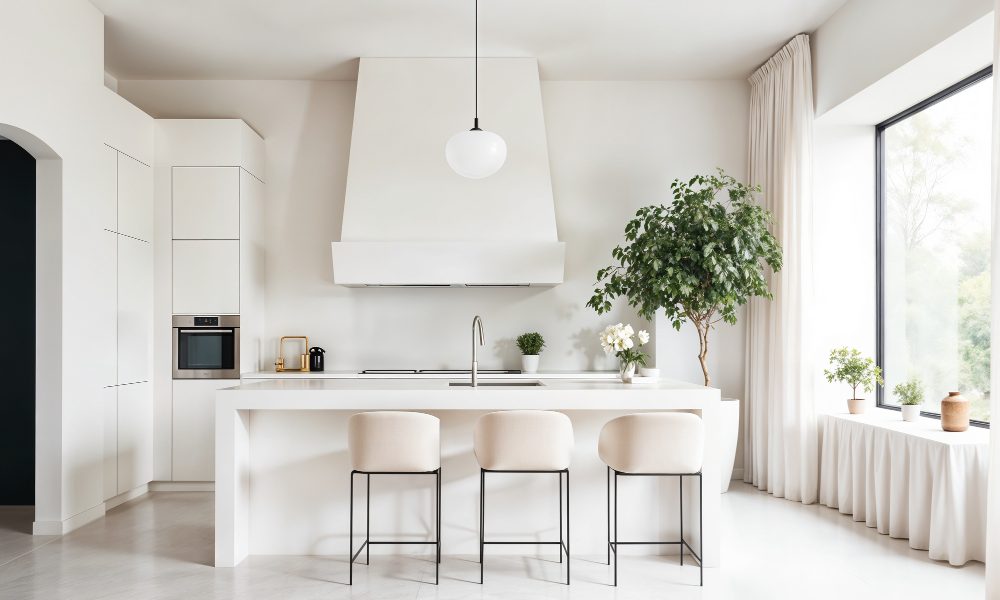
Much of the unfitted kitchen trend draws inspiration from continental Europe, particularly France and Belgium. French kitchens are known for their elegant simplicity, muted colours, and natural materials. Think pale wooden cupboards, marble worktops, and open shelving that displays beautiful crockery rather than hiding everything away.
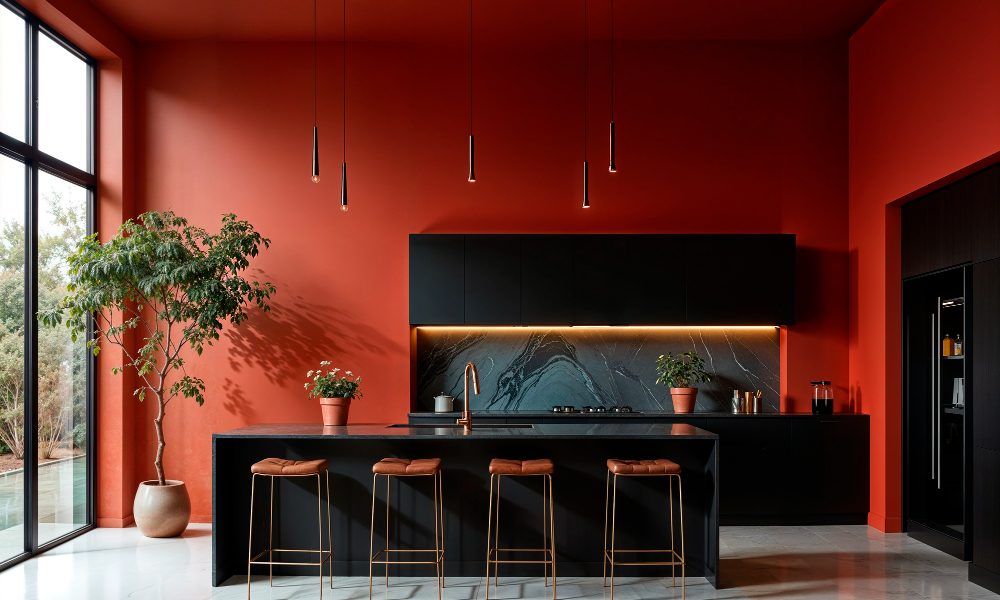
Belgian influences bring a slightly more eclectic, modern touch, often featuring contrasting textures, industrial-style lighting, and statement islands. Both styles share a focus on craftsmanship and a sense of effortless charm.
In 2026, these continental influences are being interpreted in UK homes in creative ways. Mix traditional wooden units with modern countertops, or pair freestanding cabinets with subtle decorative arches. The goal is a kitchen that feels curated rather than factory-made, where each piece tells a story.
Blending Function and Flexibility in Open Spaces
One of the key advantages of an unfitted kitchen is adaptability. Without rigid cabinetry dictating the layout, it’s easier to optimise workflow and maximise storage. You can position islands, tables, or standalone cupboards where they make the most sense, creating natural zones for cooking, prepping, and socialising.
Open shelving and movable units are particularly useful. They allow you to rotate accessories, change displays, or update your look with the seasons. This means your kitchen can evolve organically as your lifestyle or tastes change.
Even practical considerations like plumbing and appliance placement are less restrictive. Freestanding appliances can be swapped without tearing out cabinetry, and sinks or hobs can often be repositioned more easily than in a fitted setup.
Tips for Creating Your Own Unfitted Kitchen Style
Starting an unfitted kitchen can feel daunting, but a few guiding principles help. First, focus on balance. Since the layout is flexible, it’s easy to overfill a space or create clutter. Leave breathing room and avoid overcrowding the room with too many freestanding units.
Second, consider cohesive colours and textures. Even with varied pieces, using complementary tones or repeating materials like wood or metal accents keeps the kitchen feeling unified.
Lighting is key too. Pendant lights, wall sconces, or strategically placed floor lamps can highlight your favourite features while keeping the space functional.
Finally, don’t be afraid to mix old and new. Antique cupboards, vintage chairs, or hand-crafted shelving can sit alongside sleek modern appliances, creating a kitchen that’s stylish, functional, and truly your own.
With careful planning, an unfitted kitchen can combine European elegance with modern practicality, giving your home a 2026 kitchen that’s flexible, beautiful, and utterly unique.